
 日本語
日本語 한국어
한국어
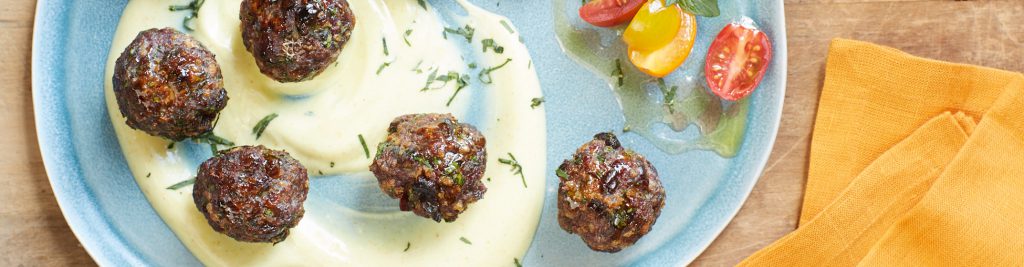
The sweetness of prunes balances out the savory flavors of cumin and garlic in these bite-sized meatballs. Serve them in wraps and sandwiches.
Sausages, meatballs, and other comminuted and formed meat products are perennially popular and easy to adapt to both traditional and trendy flavor profiles. What was once novel—remember chicken and apple sausages?—is now classic, and meat processors continue finding a market for a fresh take sausages.
As meat processors embrace innovation, they are also exploring new ways to create premium products with easy-to-understand ingredients. One of the lessons learned with chicken and apple sausages was that sausages didn’t have to be an outlet for inferior proteins blended with artificial ingredients and fillers.
Instead, premium sausages have a loyal fanbase that appreciates quality and convenience. Plus, there’s always room for innovation. According to market research firm Datassential, 77% of consumers say they are excited about new food and beverage trends in 2024.
Quality Links
As more consumers look for clean-label options of their favorite foods, fruit ingredients are getting new attention for their functional properties.
This coincides with a movement among companies seeking out natural alternatives. According to the market research firm Innova, the top three health claims found on sausage packaging in North America in the past five years were “gluten-free,” “high protein,” and “natural.”
What’s changing is that using fruit-derived ingredients—whether powders, concentrates, or purees— is going beyond adding a distinctive fruit flavor in the final sausage or meatball. Instead, it’s about looking at the composition and functionality of the specific fruit and seeing if an ingredient can perform a similar function as phosphates, artificial caramel coloring, or other kinds of additives.
To start, it’s important to match the fruit’s attributes to the solution the formulator is seeking. Is the fruit naturally high in antioxidants? This could stave off warmed-over flavor. Does it have fiber? This could aid in moisture binding.
Second, formulators need to consider the format the ingredients come in. Are powders, purees, or concentrates preferred in a specific manufacturing process? Also, if one fruit ingredient can’t do it alone, often two fruit ingredients can be combined to achieve the desired result.
Finally, look into whether the fruit has a track record for being used in similar products, which could hint that other companies have found success with the fruit alternative.
Case Study: Prune Ingredients in Sausages
No matter the flavor profile or protein, consumers expect sausages to be juicy, with appealing texture. Too firm and the sausage tastes dry. Too soft and it won’t snap as expected on the first bite.
For the best texture, moisture binding and emulsification are key. Working with various types of protein bases, Rick Perez, Sunsweet’s R&D Chef, has found prune powder works well to bind moisture in sausages, though how lean the meat is can determine how much powder to add.
“Leaner meats need less powder,” Perez says, otherwise the powder absorbs too much juice. For lean cuts, like chicken, he suggests starting with .5% powder to the meat block. Richer cuts, though, like pork fat can take more powder. Prune powder can also boost caramelization slightly, helping boost color in a too-pale product, he adds.
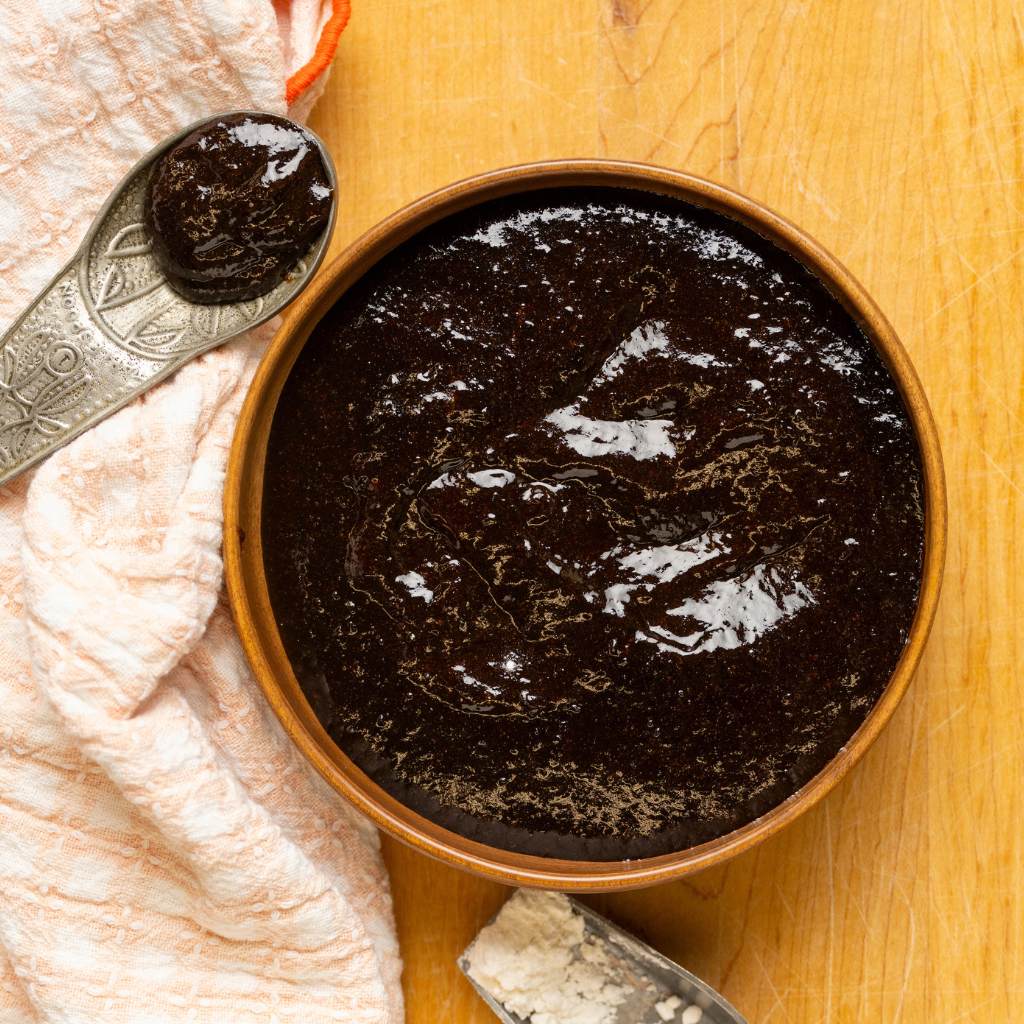
To prevent lipid oxidation in place of BHA or BHT or replace phosphates, however, prune puree fresh plum concentrate, or prune juice concentrate offer better options.
A 2008 study published in the journal Meat Science showed that high levels of antioxidant phenolic compounds in prune ingredients (mostly neochlorogenic and chlorogenic acids) suppressed the formation of warmed-over flavor in roast beef brined with the prune ingredients. A separate study in the Journal of Food Science found success using prune ingredients in brines for moisture-binding in chicken breasts.
Perez has found prune and plum concentrates and prune puree ingredients work similarly in sausages, too. For moisture binding, lipid oxidation suppression, and caramelization, Perez adds prune puree or prune or plum concentrate while sausages are being ground or emulsified at a ratio of 1 to 2% of the meat block.
Flavor Forward
Among the food trends that have emerged in 2024 and 2025, “newstalgia” and cuisine mashups (like Italian pasta and meatballs with Japanese ramen) are still going strong. That could mean finding the new chicken-apple sausage. But it also might be looking under the hood to reformulate classic products with ingredients any consumer can understand without consulting Google.
Think of prune ingredients, and other functional fruit ingredients, as clean-label tools to assist in the formulation of these next-gen sausages, meatballs, and comminuted meat products.