
 日本語
日本語 한국어
한국어While beef jerky has been popular for generations, the demand for high-protein snacks is reigniting innovation in the segment.
A few years ago, the jerky category lost momentum after being hit with high beef prices. But these days, even while raw material prices stay high, the category is booming, with creative flavors and formats launching from established and new brands.
To stand out, some brands are advertising clear differentiators, whether that’s convenience or health, flavor or texture.
According to Innova Market Research, meat-snack product launches are up 3.96% over the past three years. From March 2024 to March 2025, they’ve grown 5.3%.
Amid those new snacks to hit the market, the top positioning categories are convenience (up 12.53%) and health (up 12.27%). Companies are using terms such as “perfect for low-carb lifestyles,” “clean, high-protein nutrition,” and “no artificial ingredients” to appeal to the growing number of consumers looking to cut carbs and eat more protein in a healthful way.
But even though consumers say they want to eat more protein, they won’t fulfill their protein goals if they don’t like the texture or flavor.
Texture Matters
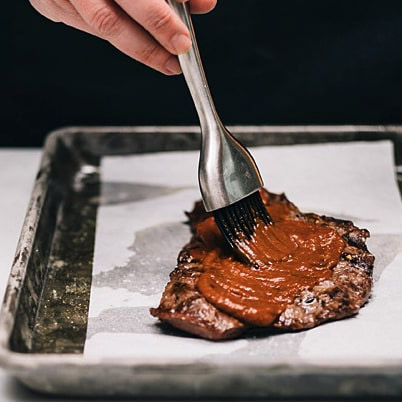
With whole-muscle cuts of protein, a marination step helps avoid dried-out protein while also adding seasoning. And even though consumers have different texture expectations with jerky, some of the same principals hold true. A chewable texture is preferred over something that’s hard to bite into.
According to Innova, among meat-snack launches in the past three years, the texture claim with the most growth has been “tender” and “soft.” In contrast, meat snacks claiming a crunchy texture are down a substantial 21.55%.
When Dusty Jaquins, founder of T.O.P. Chops Beef Jerky, set out to create a thinly sliced, flavorful jerky, he looked for ways to make the texture tender compared with other products on the market. It came down to finding a point of differentiation in making a premium jerky. “How do I make it different, special, and better?” he explains.
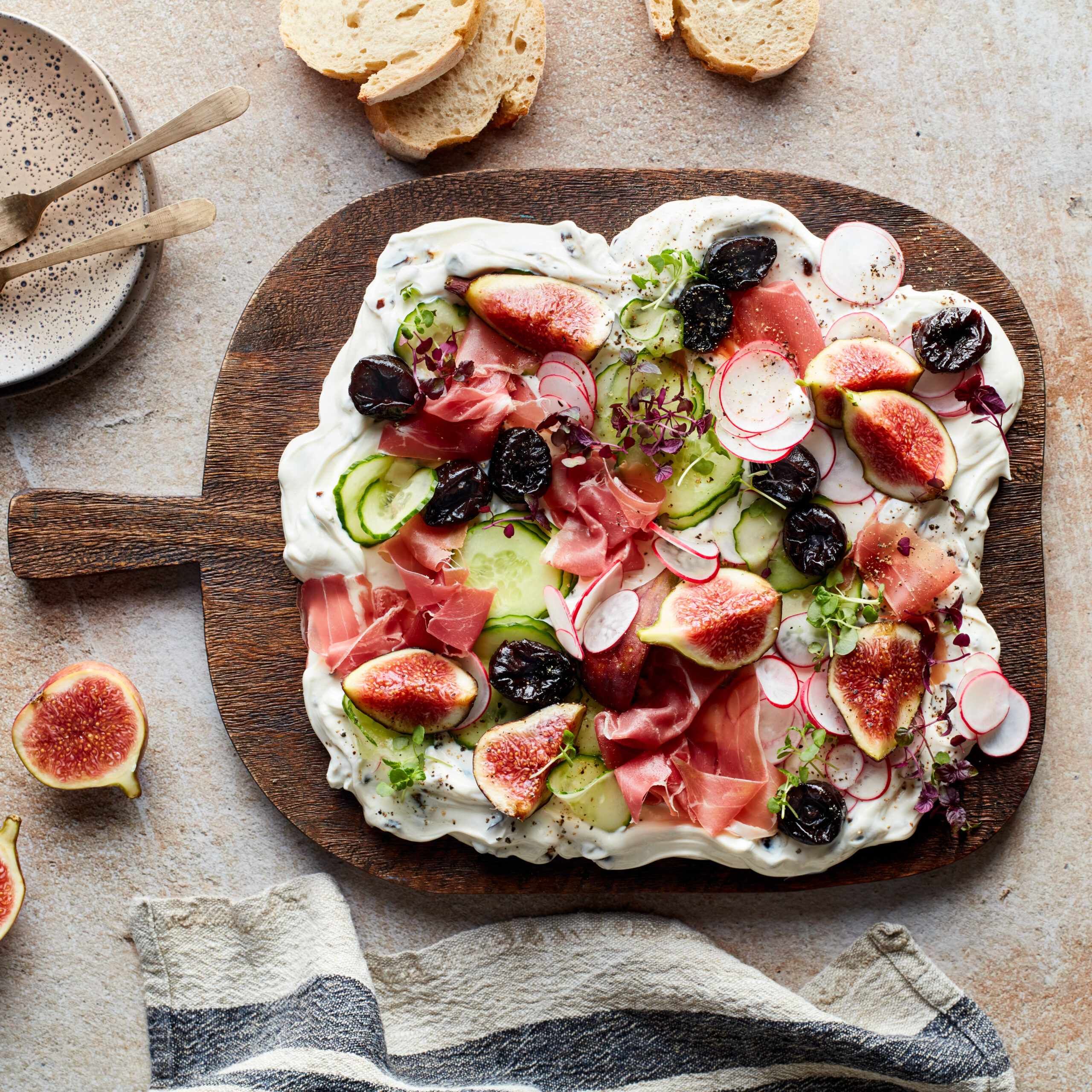
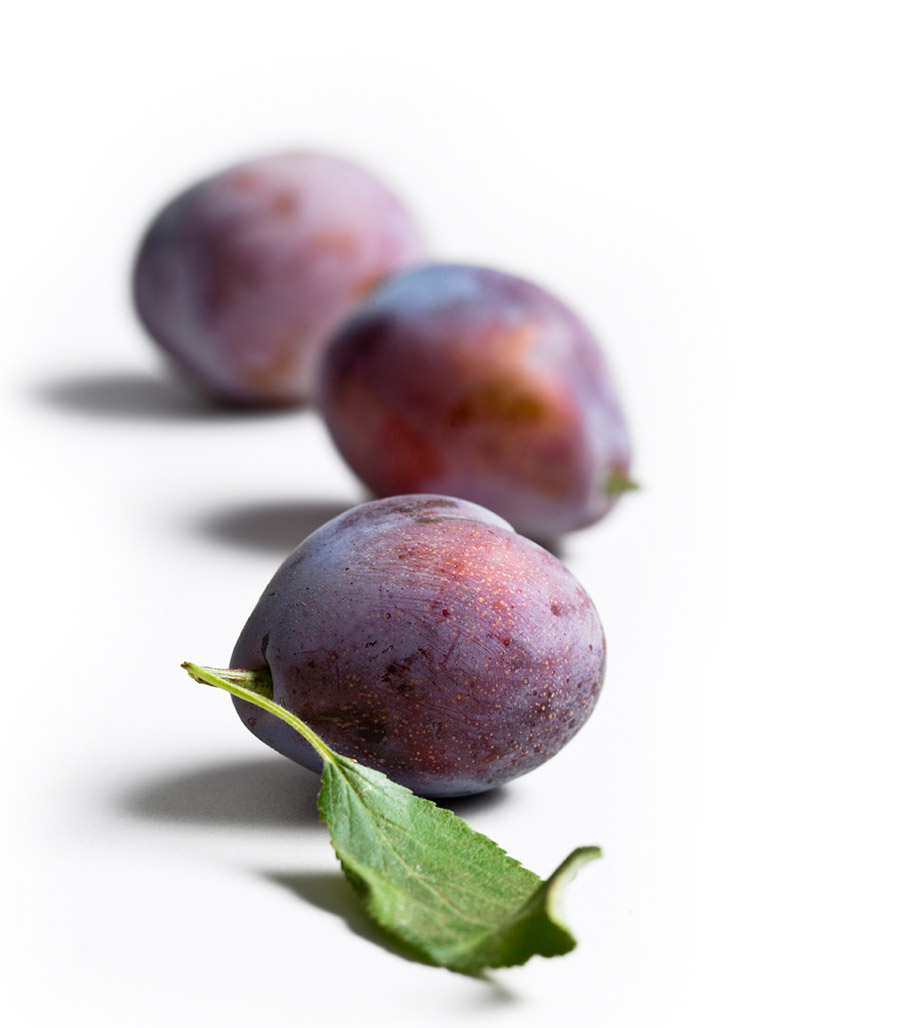
Working with an R&D team, he discovered that using prune powder in his jerky marinades gave the end product a nice, tender chew. “It improves texture and the moisture,” Jaquins says. “I have people tell me that it’s almost like eating a steak. You can put it on a charcuterie board; it’s that tender.”
Working with various types of protein bases, Rick Perez, a R&D chef who consults with Yuba City, Calif.-based Sunsweet, has found prune powder works well as a moisture binder in a range of chopped and formed products as well as certain meat snacks.
For a range of usage, he suggests starting with .5% powder. However, adjustments may be necessary depending on the fat content. “Leaner meats need less powder,” Perez says, because too much the powder will absorb too much juice. Richer cuts, however, can take more powder.
Prune ingredients also offer protection from the formation of off-flavors, like warmed-over flavor (WOF). A 2008 study published in the journal Meat Science showed that high levels of antioxidant phenolic compounds in prunes suppressed the formation of WOF in roast beef.
For lipid oxidation suppression, Perez recommends using the same percentage of prune as he uses for moisture binding– a ratio of .5 to 1% of the meat block, though a fresh plum or prune concentrate may offer more protection than the powder.
Flavor Forward
Though it makes up only a fraction of new product launches, one of the fastest-growing segments of meat snack positioning is limited time offers and collaborations, like Jack Links Wild Chicken Stick Bites with Franks Red Hot Flavor, which is “crafted with adventurous flavors designed to conquer even the wildest of cravings,” according to the package descriptions.
Yet by and large, meat-snack buyers like tried-and-true flavors, namely teriyaki, black pepper, and nearly any combination of salt and chile. “It’s about creating a balance of the ingredients,” says Jaquins. “You have a certain amount of soy sauce or tamari, but you don’t want it to be overbearing.”
Jaquins says he’s found that prune powder boosts flavors subtly, allowing him to reduce the total amount of the salt, sugar, and spices in the formulation.
“Prune powder is the differentiator,” says Jaquins. “People are intrigued by that.”