
 日本語
日本語 한국어
한국어
Among baked goods, snacks, and confections, chocolate is not only a popular but also an expected flavor. It’s rare to find a pastry chef who eschews chocolate desserts or a cookie maker who opts out of crafting a chocolate option. Between the viral success of Dubai chocolate to the perennial classics—bars, spreads, and snacks—it’s no wonder that the number of chocolate products on the market continues to grow.
According to Innova Market Insights’ New Product Database, between 2020 and 2024, the top categories for chocolate products saw increases globally, from cookies, cakes and pastries, dairy-based ice cream, and baking ingredients and mixes, to chocolate spreads. Among the top ten product categories featuring chocolate flavor, the only areas that saw slight dips were chocolate cereals/energy bars and chocolate sports powders.
Yet while the love for chocolate shows no sign of slowing, cocoa shortages have put significant pressure on the chocolate supply chain.
More than 60 percent of the world’s cocoa comes from West Africa, which experienced significant flooding and crop disease in recent years. Although cocoa futures have dropped since their peak in 2024, they’re well above their long-term averages. Factor in rising energy costs, trade uncertainty, regulatory risks and it’s likely the supply chain stay volatile for years to come.
Supply disruption and deforestation concerns have grown attention in cocoa-free chocolate alternatives. Start-ups, such as Oakland, Calif.-based Voyage Foods, England’s Win-Win, and the Italian company Foreverland are gaining investors, especially in the free-from and fair trade category.
Yet chocolate alternatives, sometimes made with carob, won’t appeal to every chocolate lover.
Plus, it’s often not desirable to remove cocoa completely. Replacing 25 to 35% cocoa by adding a ingredient that augments cocoa flavor may be enough to ease supply challenges.
Pairing Like with Like
One place to start is by blending in ingredients that taste good on their own and are proven pairs with chocolate. A bonus is the ingredient that can support chocolate flavor is made domestically. For solutions, developers are turning to plants beyond carob.
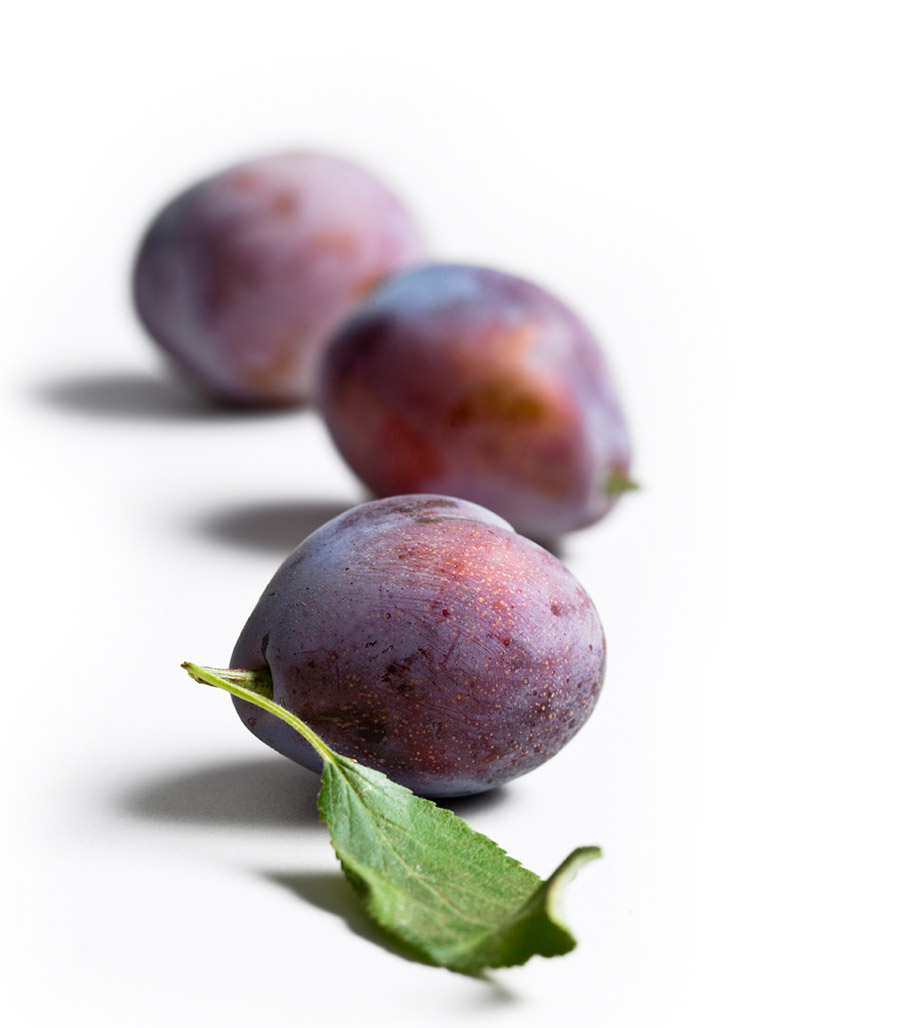
Take the prune, a fruit with a history of being used in European chocolate confections. On its own, the specific variety of dried plum has roasted caramel notes and mellow sweetness. When used in baking, it supports the Maillard reaction.
“Prunes have a deep, dark-berry, sweet-caramel flavor profile,” explains Vai-Meng Leonard, Director of R&D for Yuba City, Calif.-based Sunsweet Growers. “Therefore they naturally enhance chocolate flavor.”
Benchtop Tests
Morgan Downie, a student of culinary arts and food science at Orange Coast College in Costa Mesa, Calif., tested whether it was possible to reduce cocoa in fudgy brownies by at least 25% without loss of sensory or texture attributes of cocoa.
She made batches of fudgy brownies, each using one of three prune-based ingredients: prune powder, prune juice concentrate, and prune puree, at levels of 25% and 35% cocoa reduction.
Each experimental batch of batter was easy to work with and baked up as fudgy as the control. The prune ingredients did not make the brownies too sweet, however there was room for sugar reduction. Prune powder did not require a change in baking time or temperature, though the concentrate and the puree required slight increases in bake times.
In peer review, Downie found the feedback to be positive cross the board for control and experimental batches. Each fudgy brownie tasted decadent and rich, with a similar visual appeal. Some tasters even preferred the richness of the 35% reduction, which had subtle fruit notes.
Downie, who specializes in pastry, said she was pleasantly surprised how easy and effective the prune worked in the applications and is planning on more experiments using prune with chocolate. It won’t take the place of chocolate, but it can help enhance the rich chocolate flavor consumers expect.
“These options give R&D professionals the flexibility to reduce cocoa in an unstable supply environment,” Leonard says.